Projects & Works
Documented examples of historic textile and carpet conservation — from the Kaaba Kiswa to textiles in Egyptian museums — along with human-development and capacity-building work.
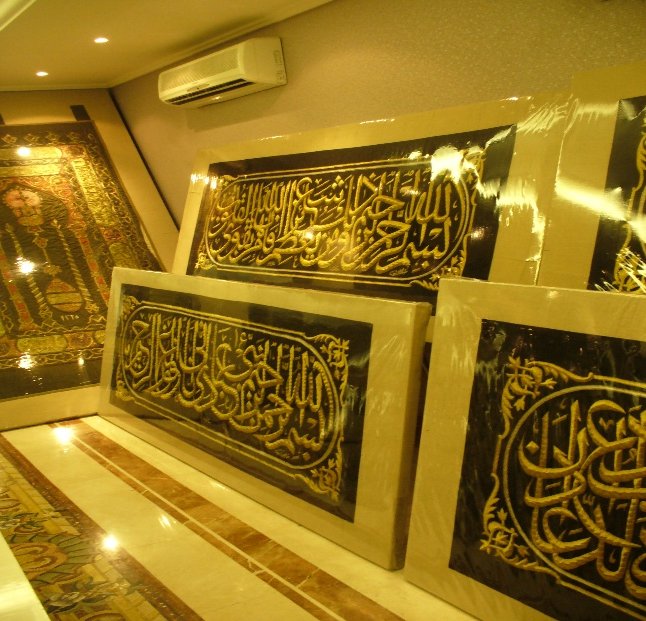
Conservation of textile objects from the interior and exterior Kaaba kiswa, and door curtains of the two Holy Mosques, decorated with metallic embroidery threads.
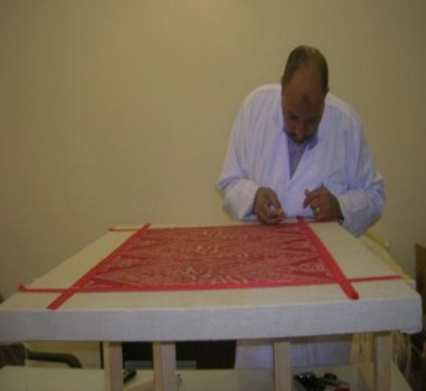
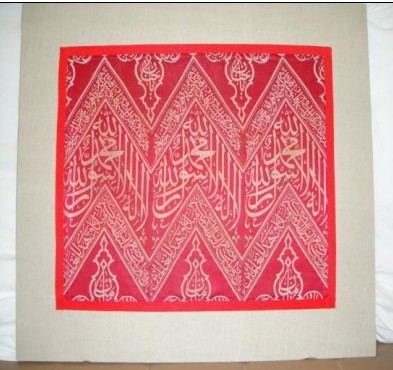
The piece before conservation during local (dry) cleaning of stubborn stains, then mounted on a new support for museum display.
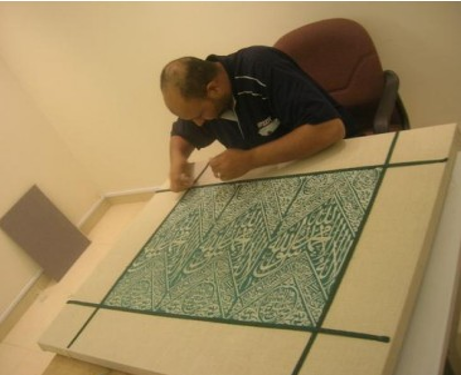
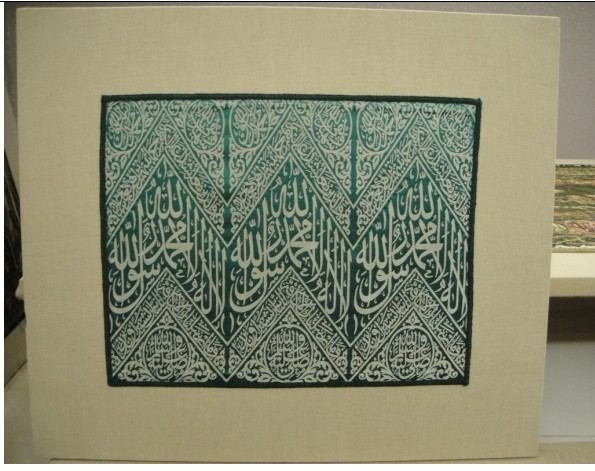
Wet cleaning with initial reinforcement visible, followed by final mounting on a new woven support after conservation.
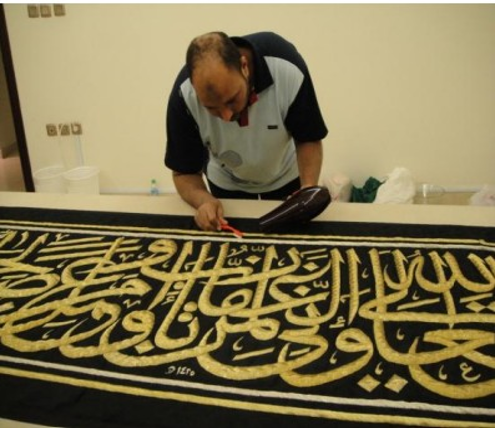
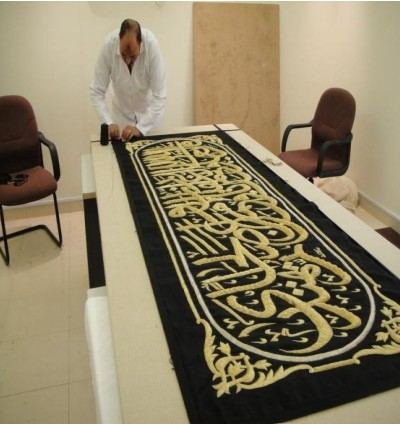
The piece before conservation during cleaning, with the new fabric support fixed to a reinforced wooden frame.
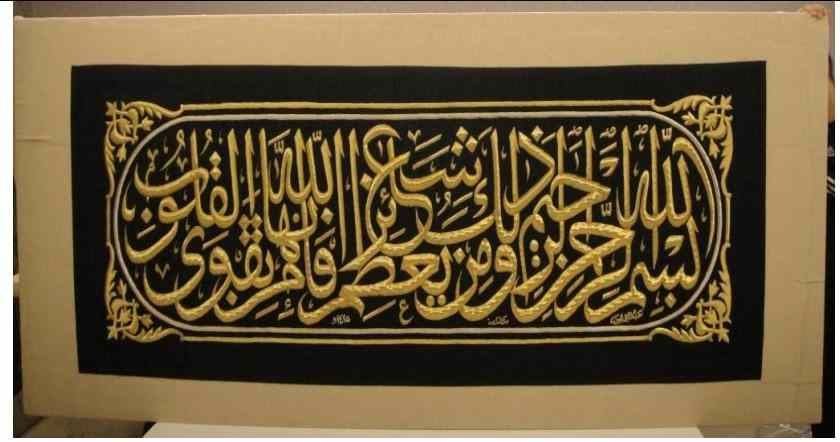
The piece before conservation, and after cleaning, reinforcement, and mounting on a new support for museum display.
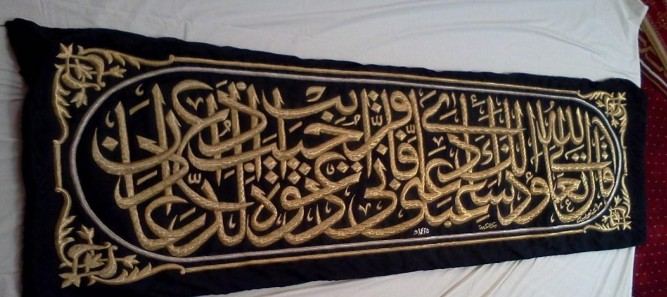
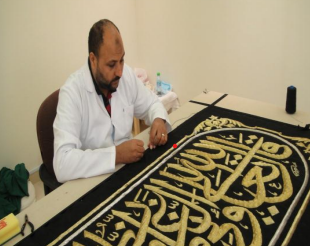
The piece before conservation, and the new fabric support fixed to a wooden frame after conservation.
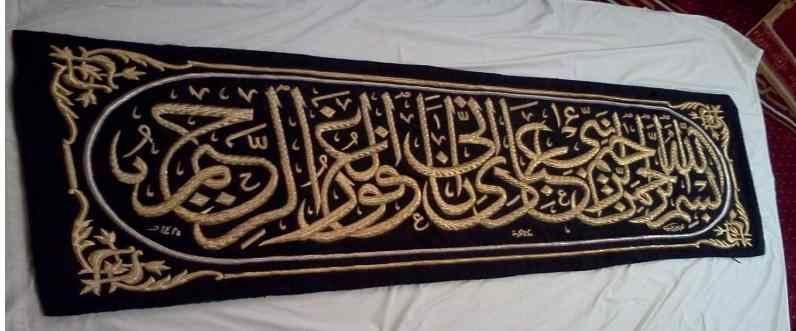
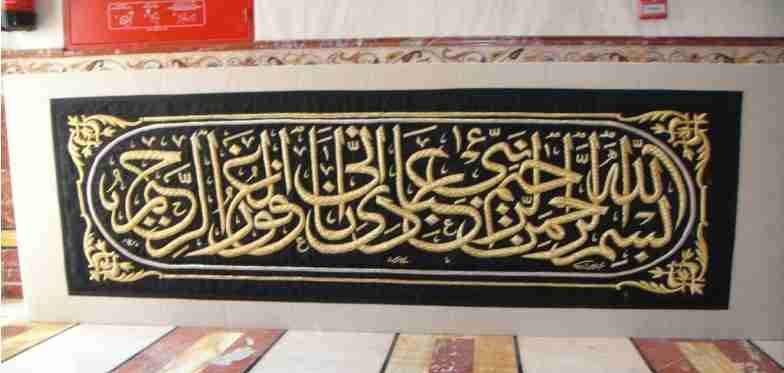
Separated layers of the piece before conservation, and after mechanical cleaning in preparation for museum display.
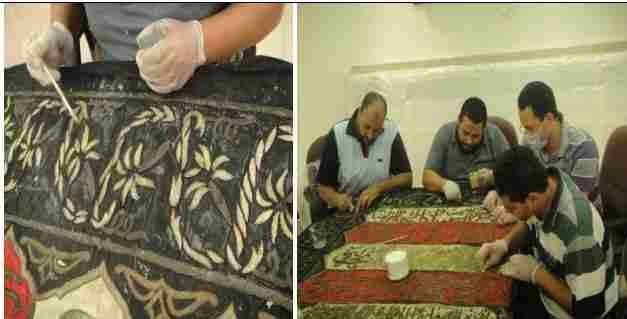
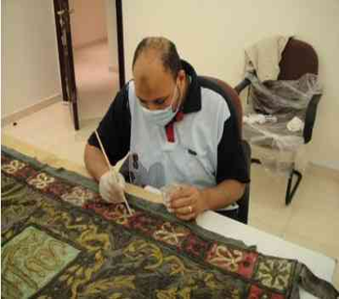
Cleaning and removal of corrosion layers with isolation of metallic threads, then final mounting on the new support for museum display.
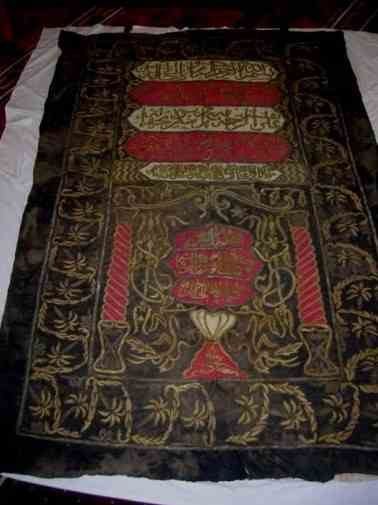
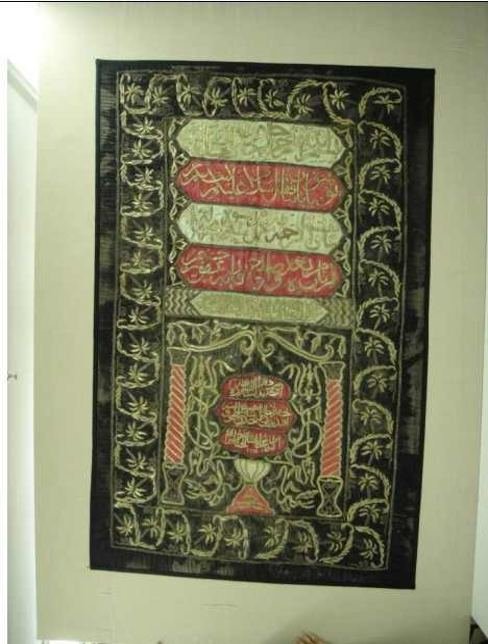
Details of the piece before conservation and local cleaning, then initial reinforcement and final mounting after conservation.
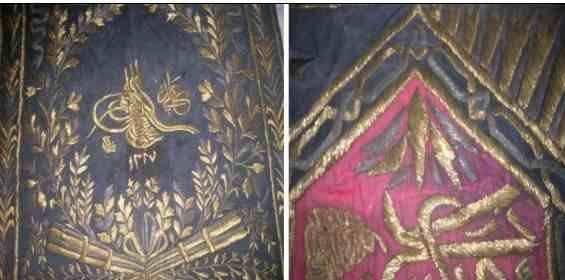
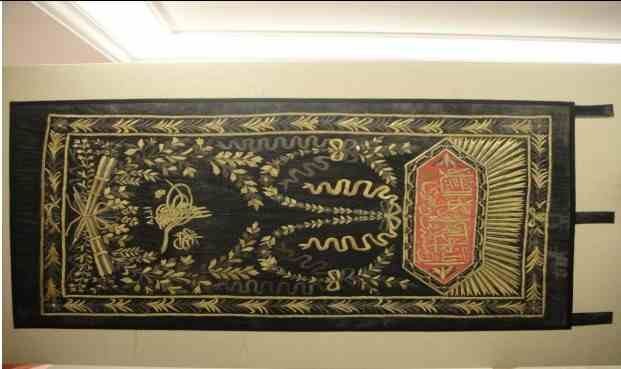
Deterioration features in the piece, then final mounting on a new support after conservation for museum display.
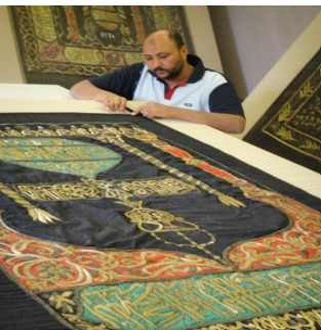
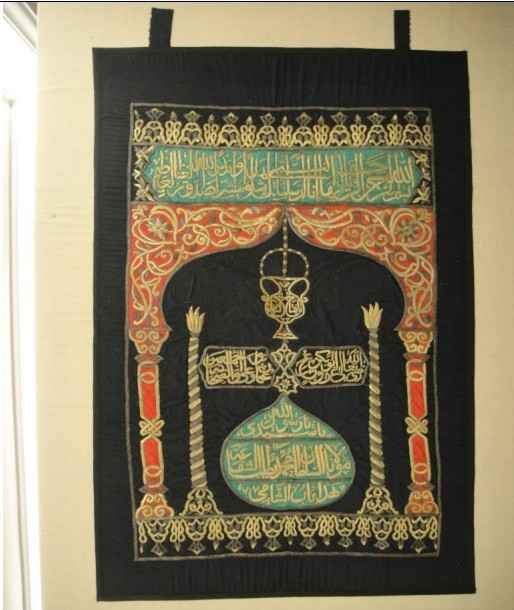
Deterioration in the piece, and the piece after conservation and mounting for museum display.
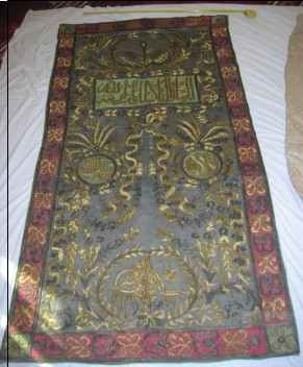
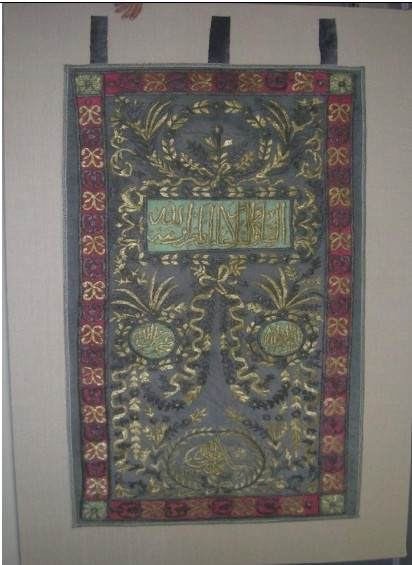
Details of the piece before conservation, and the piece after conservation in preparation for museum display.
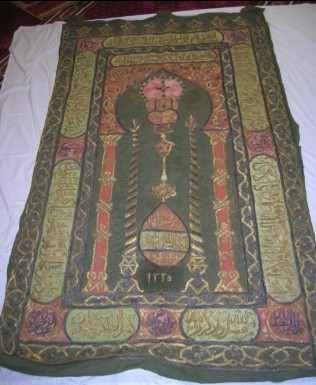
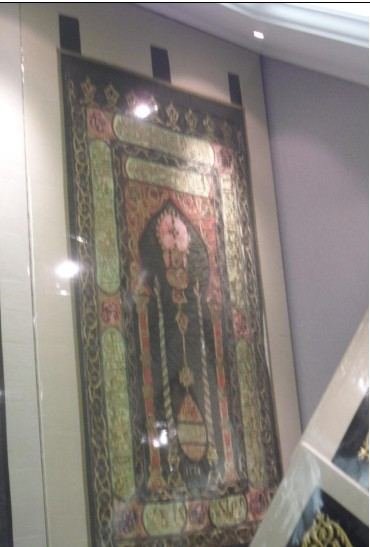
Some deterioration features, and final stitched mounting on a new support after conservation.
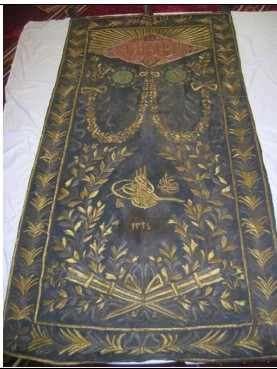
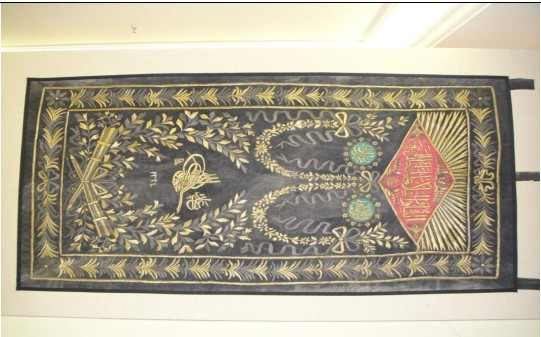
Details of deterioration, and the piece after conservation, mounted and ready for museum display.
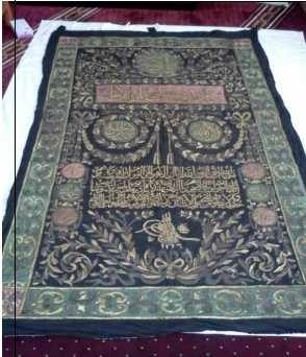
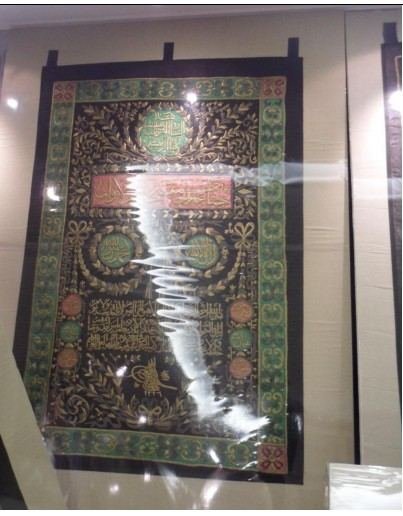
Details of deterioration, and the piece after conservation, mounted and ready for museum display.
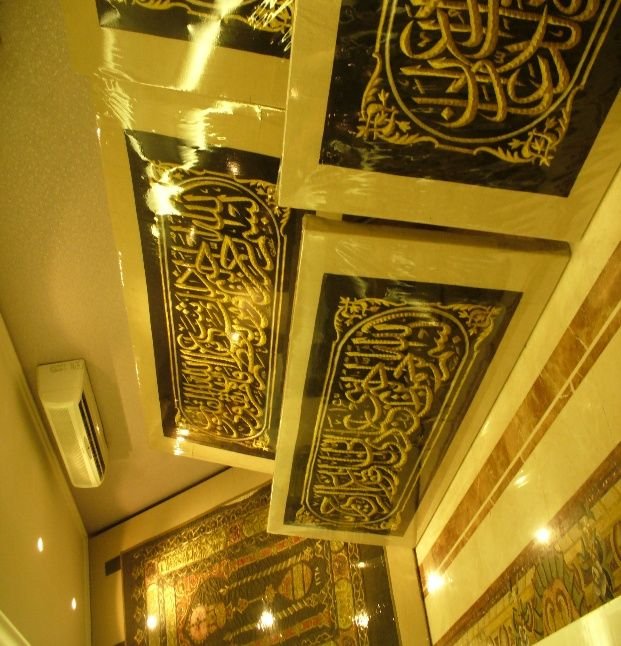
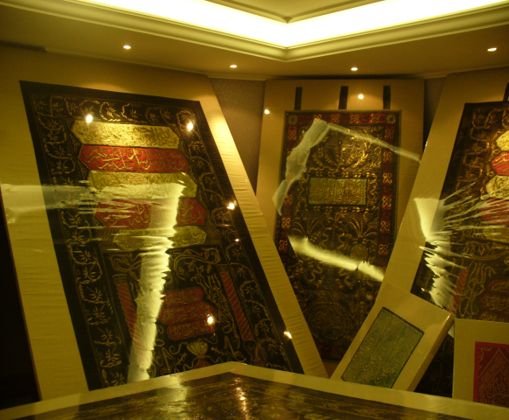
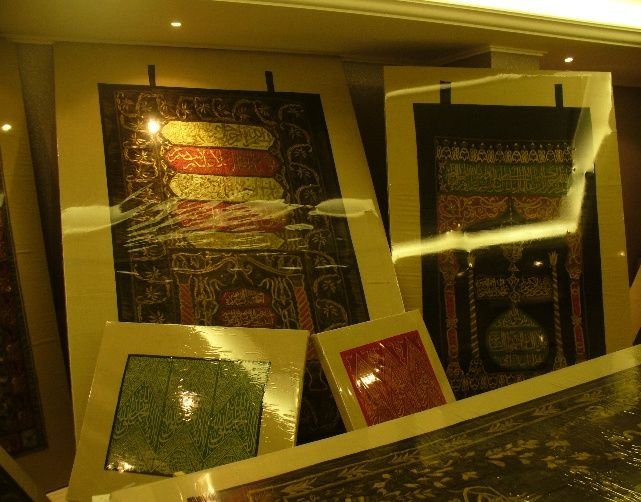
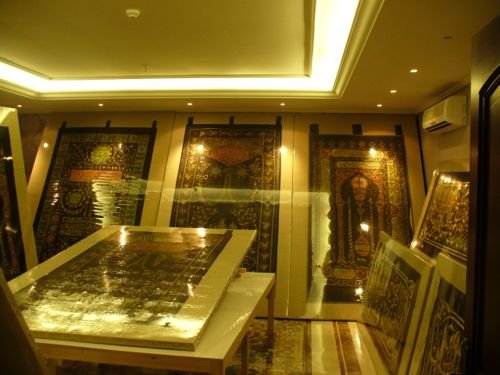
A selection of Kiswa objects after conservation, shown in the museum display hall.
Multiple scientific examinations and analyses are carried out — including scanning electron microscopy (SEM), infrared (FTIR) spectral analysis, digital microscopy and ultraviolet imaging — to verify the authenticity of these historic objects and to establish whether or not they belong to the textiles of the Kaaba Kiswa. This work has been done for a very large number of Kiswa textiles; only a few examples are shown here for illustration.
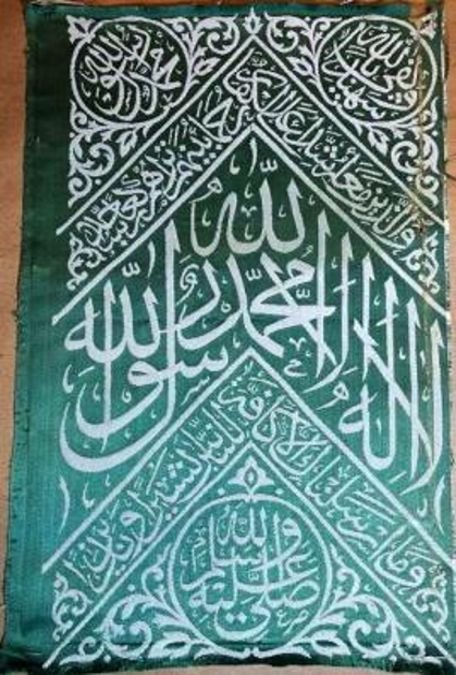
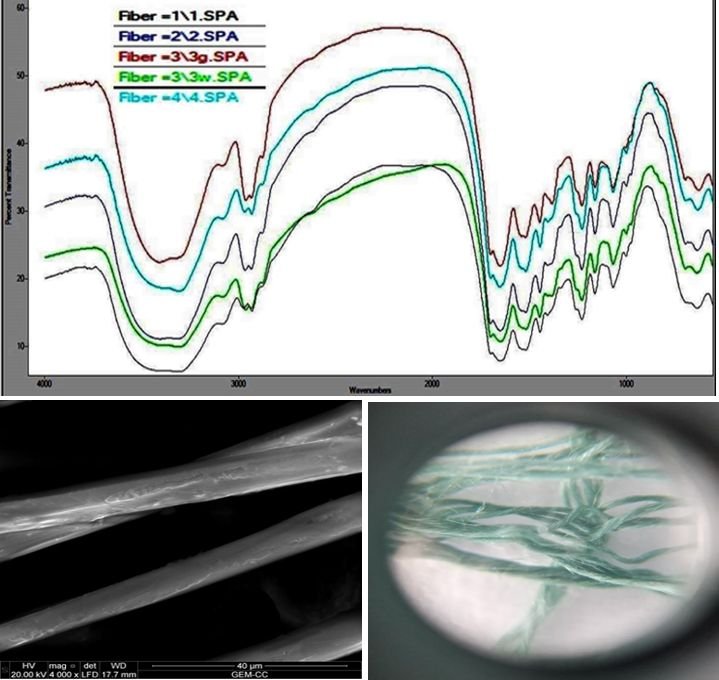
A piece from the interior Kaaba Kiswa textiles, made of natural silk and decorated with calligraphic ornament including Qur'anic verses and phrases of monotheism.
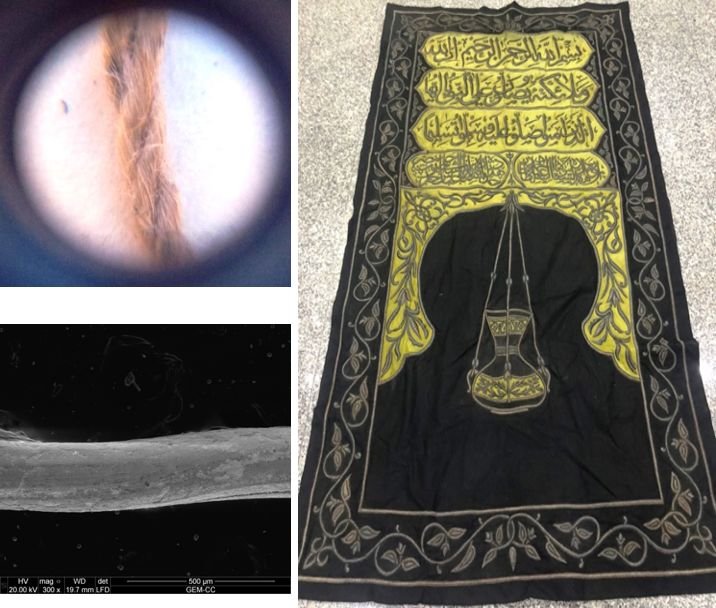
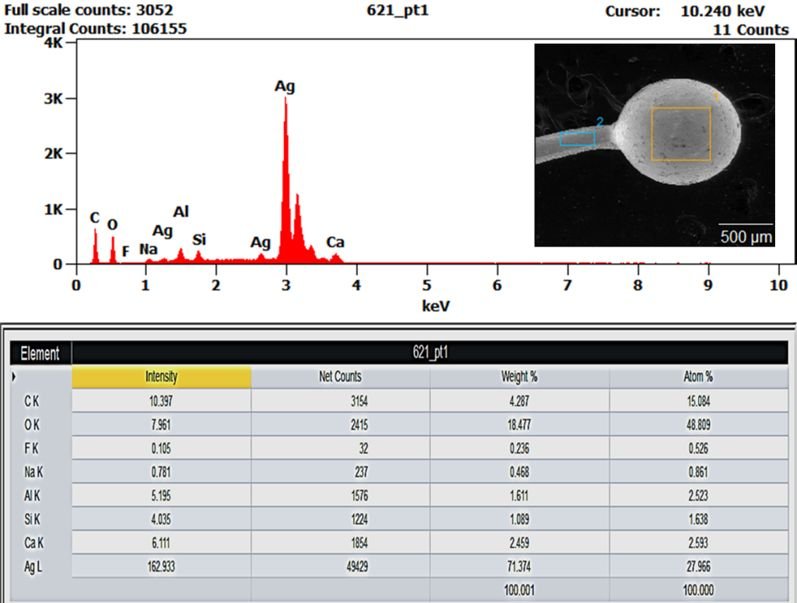
A textile piece from the Kaaba Kiswa decorated with silver metallic threads; the ornament consists of Qur'anic verses and other calligraphic motifs.
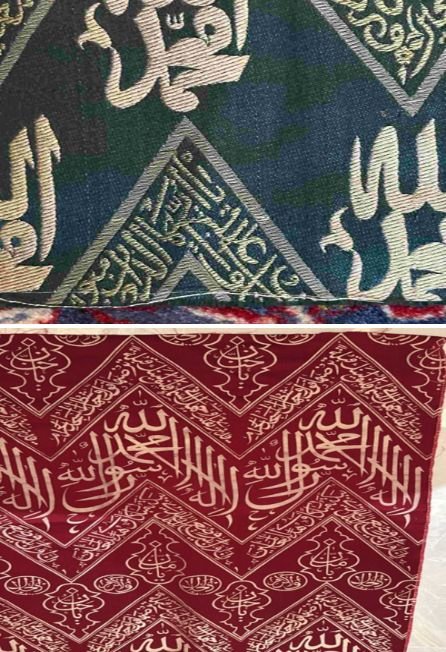
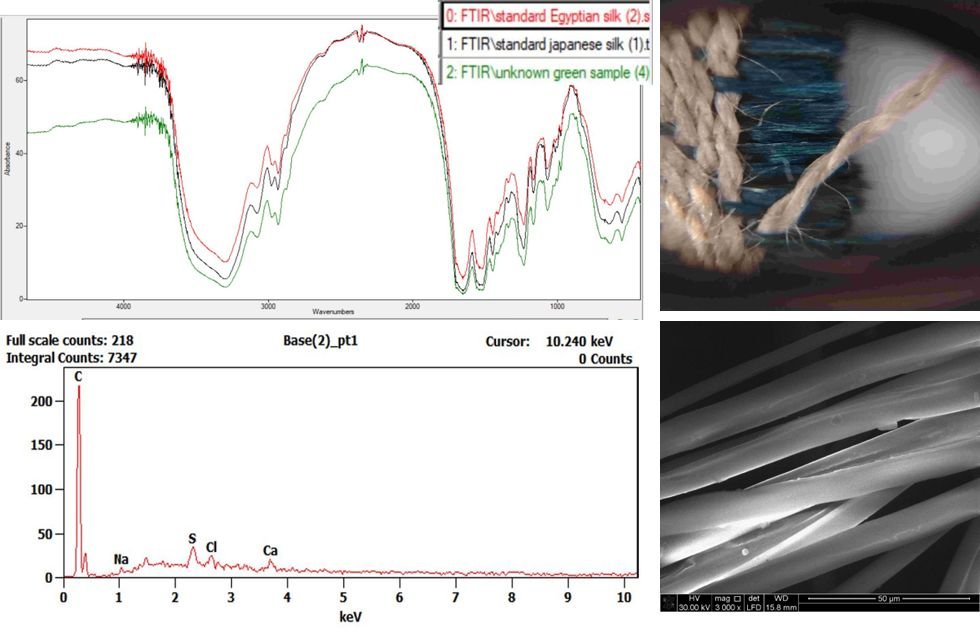
Two objects from the interior Kaaba Kiswa, or from the interior curtains of the Prophet's tomb (peace be upon him), made of natural silk fibres and decorated with calligraphic ornament of Qur'anic verses and phrases of monotheism.
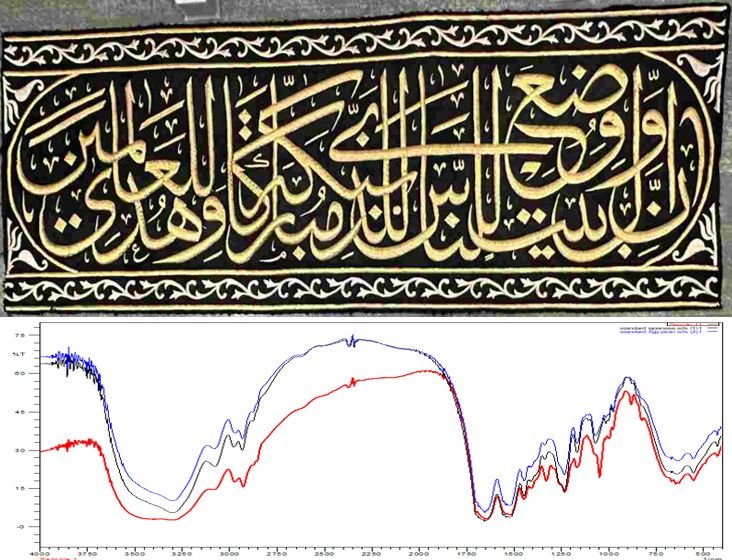
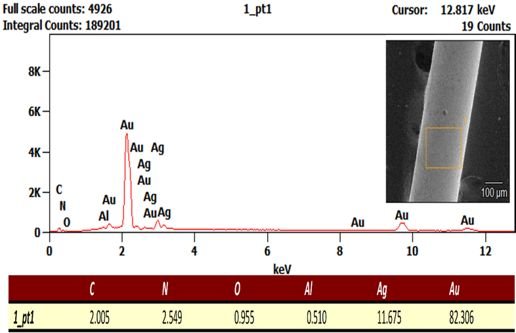
A piece from the belt of the Kaaba curtains, decorated with gold and silver threads; the ornament is a Qur'anic verse surrounded by floral motifs.
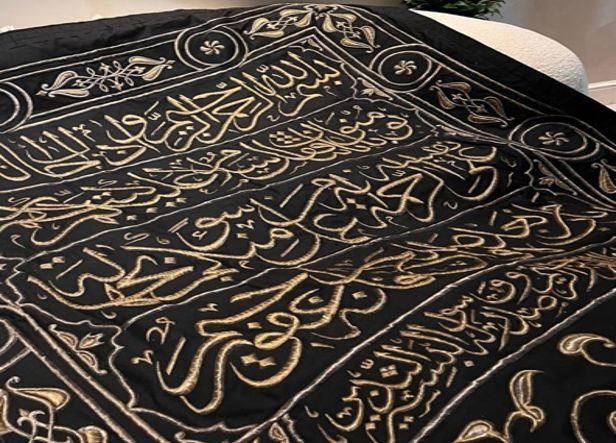
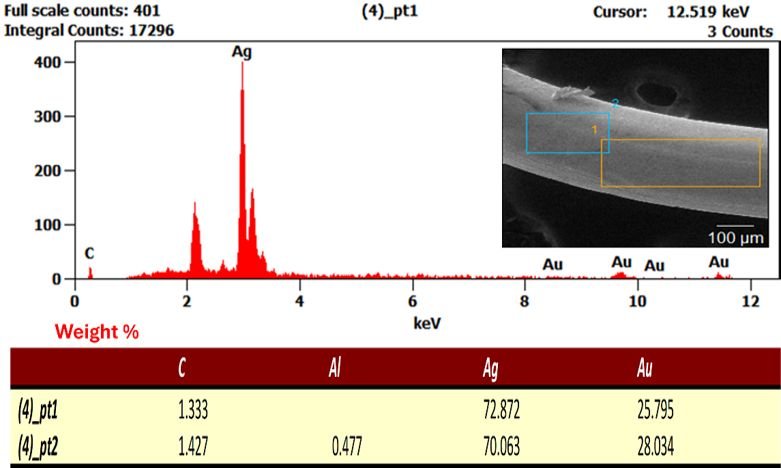
A piece from the Kaaba Kiswa textiles made of gold-plated silver threads; its ornament includes Qur'anic verses.
Conservation of two Ottoman-era carpets and a 4-piece silk curtain that once adorned the Grand Ceremonial Hall and the Royal Room at Cairo University.
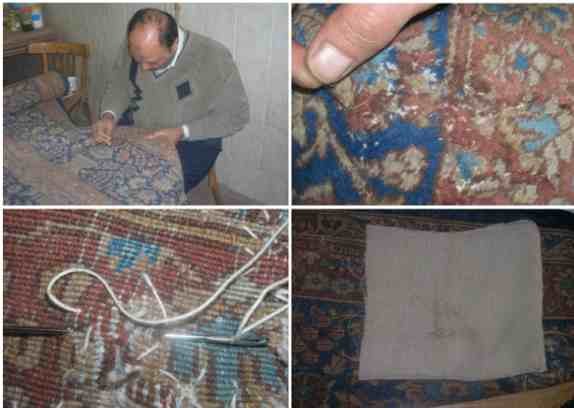
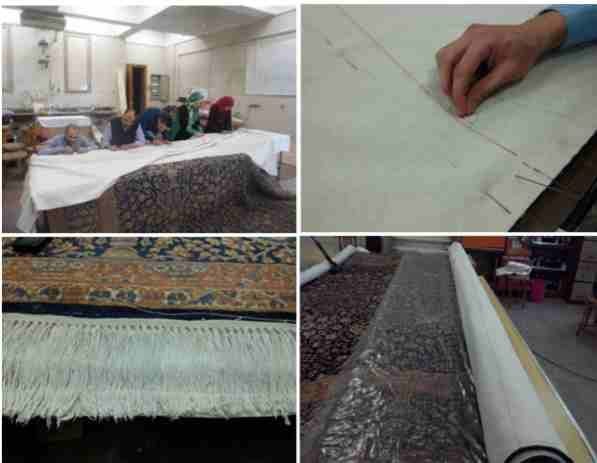
Two Ottoman-era carpets, once in the Grand Ceremonial Hall, now in the VIP hall of the Central Library and the Royal Room. Images show initial stabilization of tears, dye-fastness testing, wet cleaning and drying, and final linen backing.
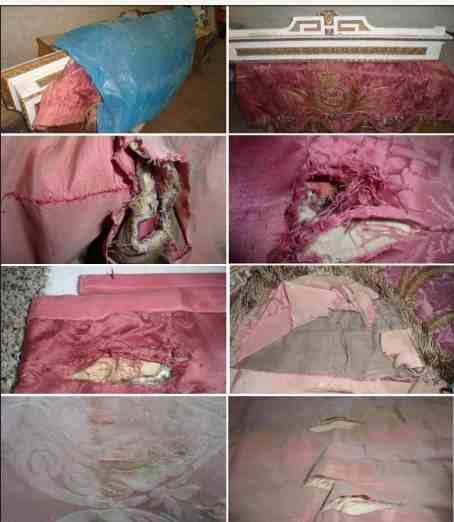
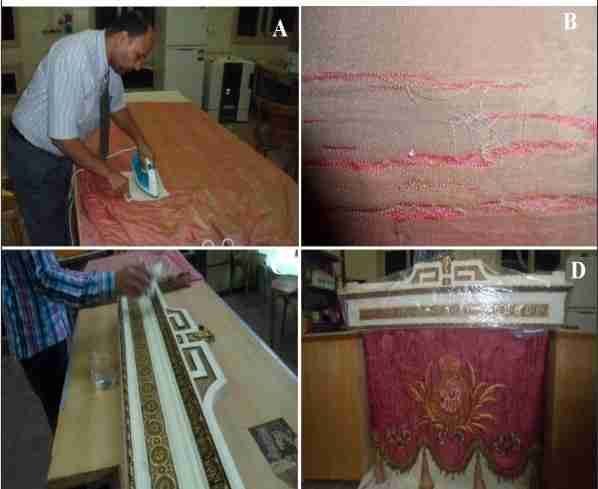
A silk curtain from the Royal Room adjoining the Grand Ceremonial Hall. Images show deterioration, cleaning and drying, dyeing of infill threads, and final stitched consolidation of torn sections with fine silk thread.
Conservation of historic textiles and costumes across several Egyptian museums and excavation sites, including supervised preventive-conservation projects.
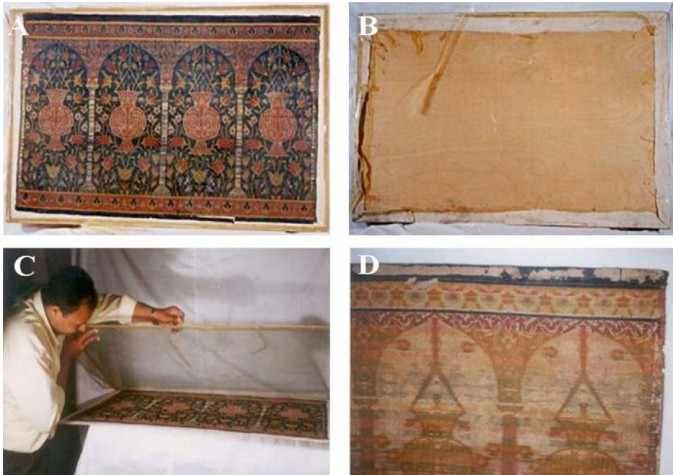
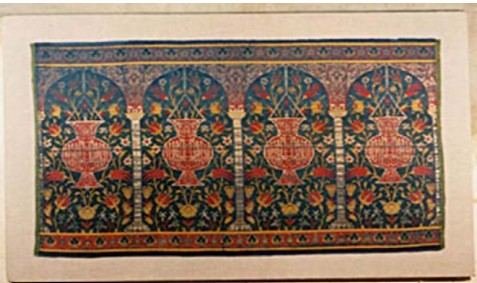
A matching pair of inscribed textiles (registry nos. 12014, 12015), now displayed at the National Museum of Egyptian Civilization. The piece before and after conservation, mounted on a new support.
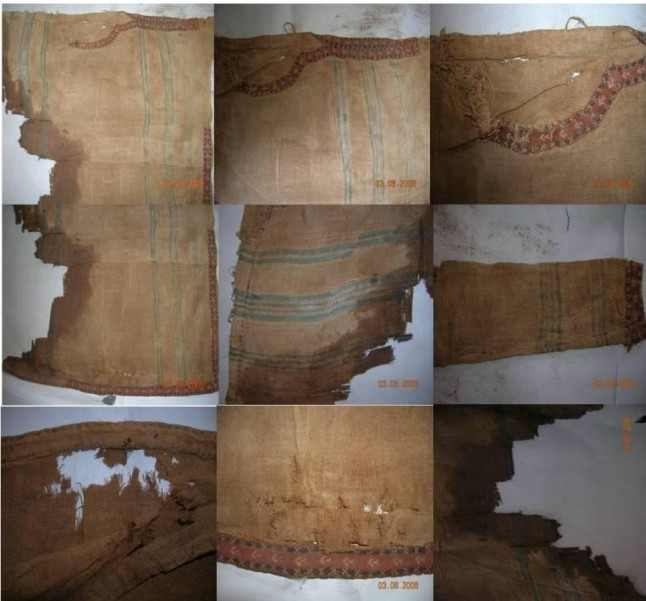
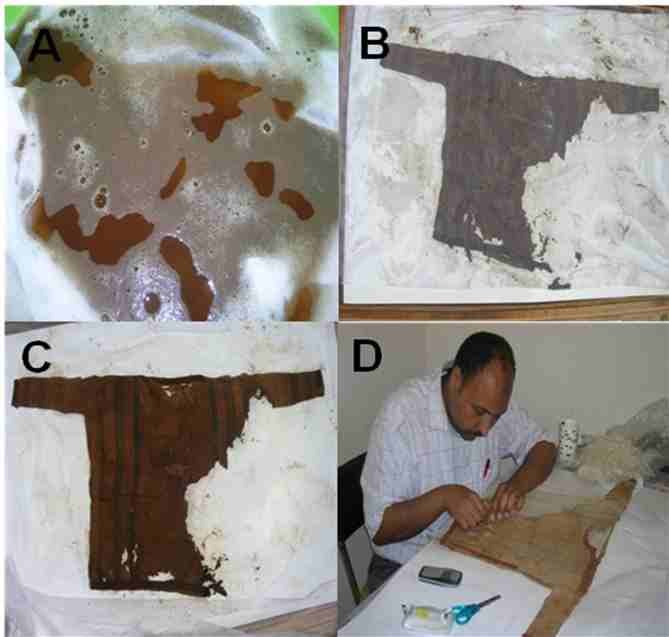
A Coptic tunic treated with Lipase enzyme to remove oily soiling. Images show deterioration, initial support between layers of gauze, and the tunic after conservation on museum display.
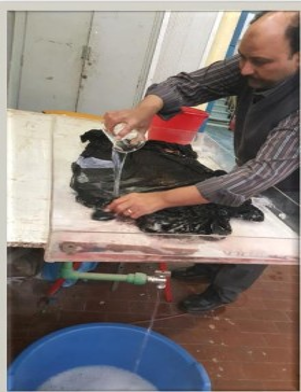
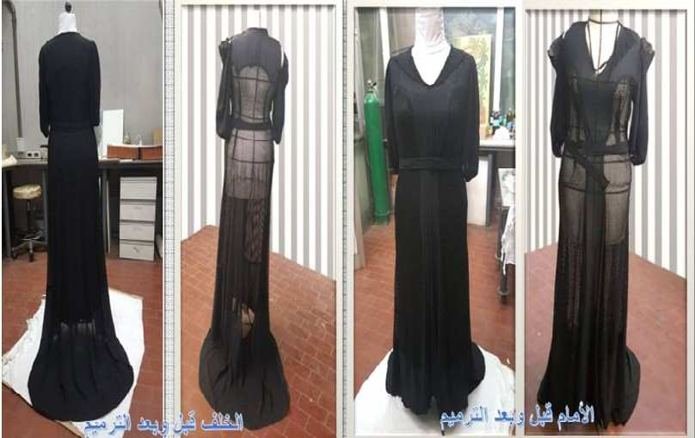
Mrs. Safia Zaghloul's dress, one example of the textile and costume conservation work at Beit El-Omma Museum. Images show deterioration, wet cleaning, and display on a purpose-built mannequin after conservation.
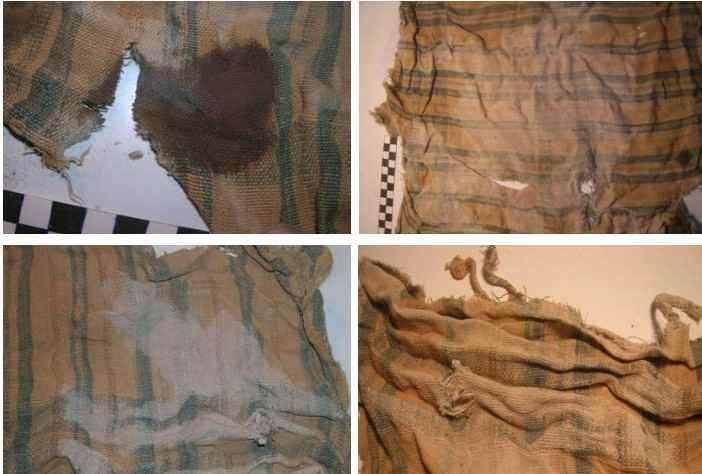
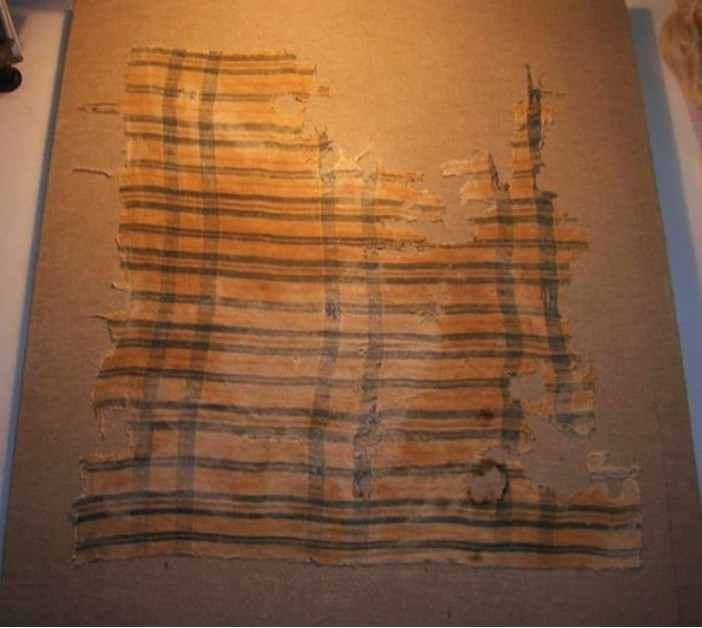
Deterioration details, initial support, wet cleaning and drying, then final mounting on new linen support — now displayed at the Ashmonein Museum, Minya.
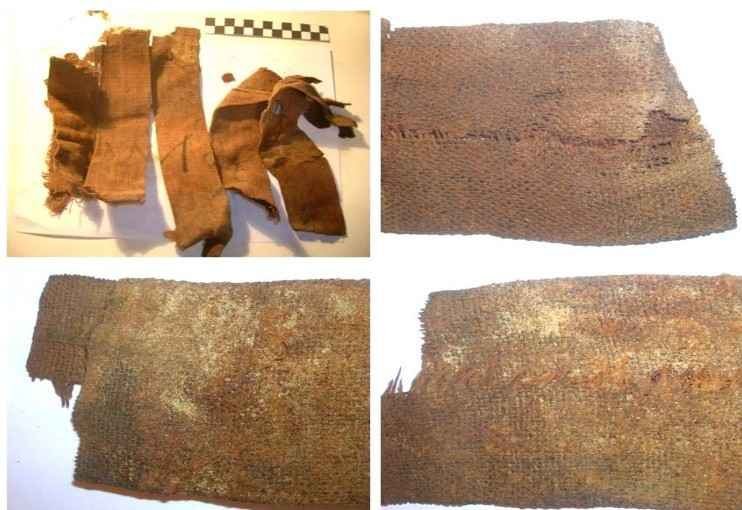
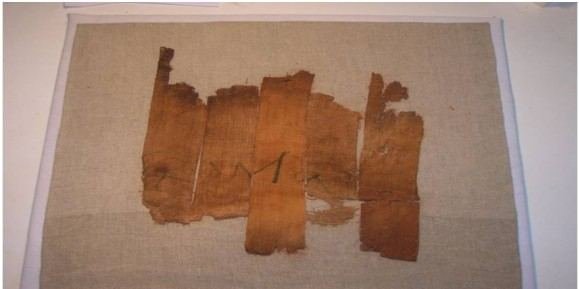
Deterioration and calcified soiling, dry cleaning with organic solvents and wet cleaning, then the wrappings after conservation on display at the Ashmonein Museum.
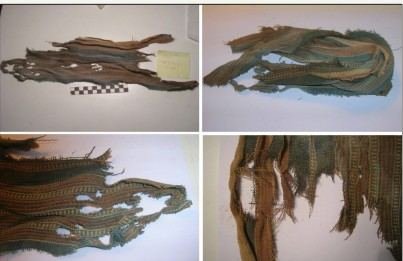
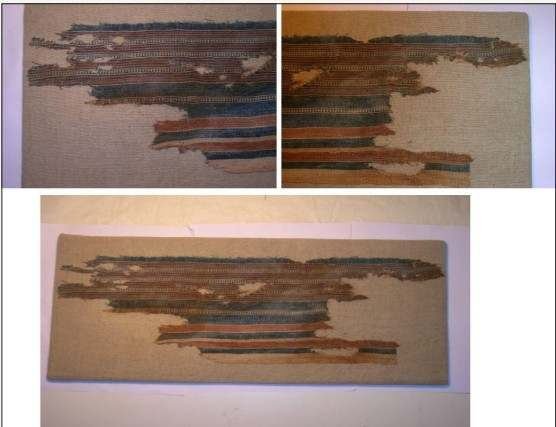
The artifact before conservation, mechanical cleaning and dye-fastness testing, then reinforcement, mounting on a new woven support, and an acid-free storage box.
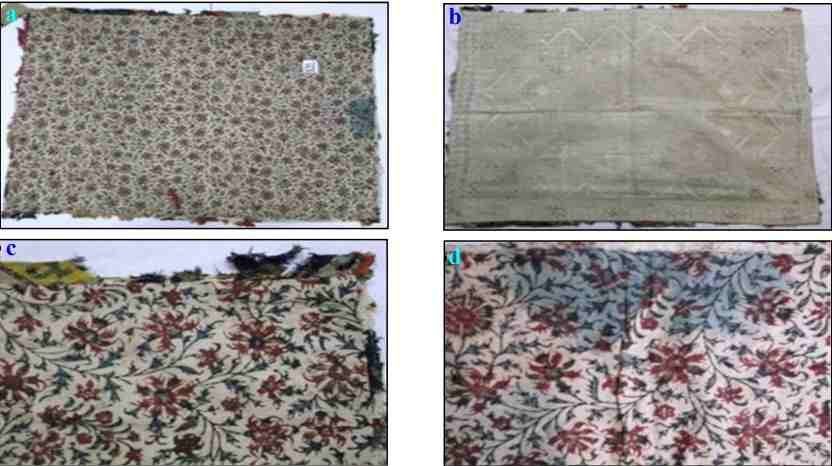
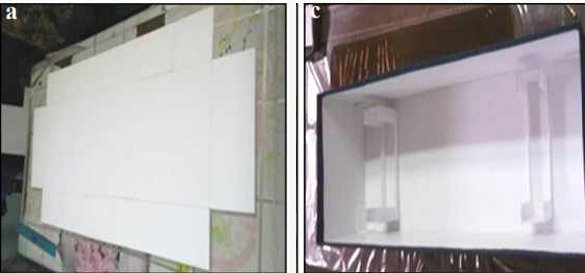
Conservation and storage procedures for a rare historic textile at the Faculty of Applied Arts Museum, including wet washing, drying, and an acid-free storage box.
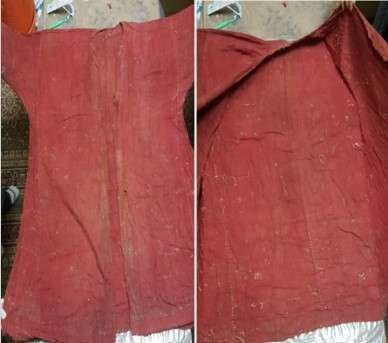
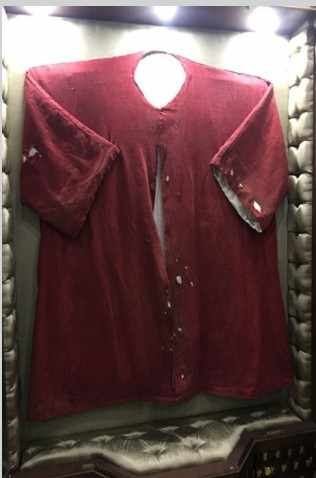
Al-Sayed Al-Badawi's robe, front and back, before conservation, and stages of reinforcement and mounting on a new fabric support after conservation.
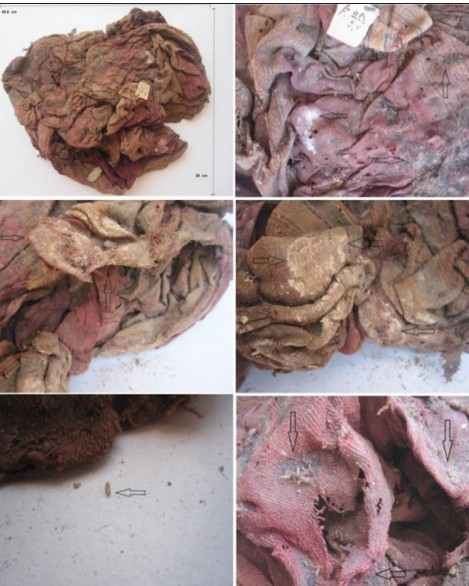
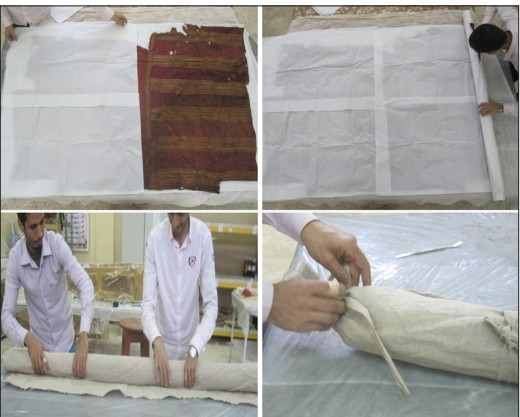
Conservation of textiles stored under non-standard museum conditions, including humidification and separation of layers, then wet cleaning, drying, and preparation of storage supports and packing.
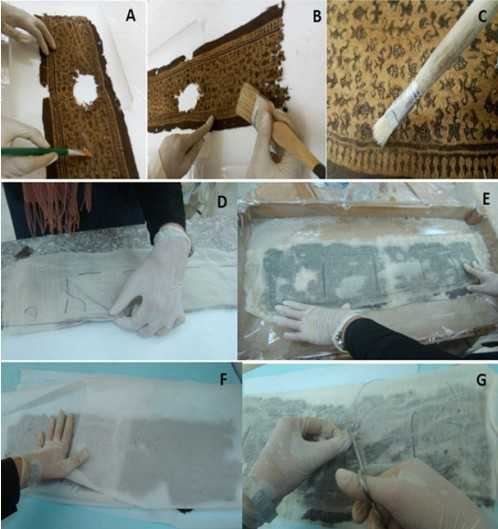
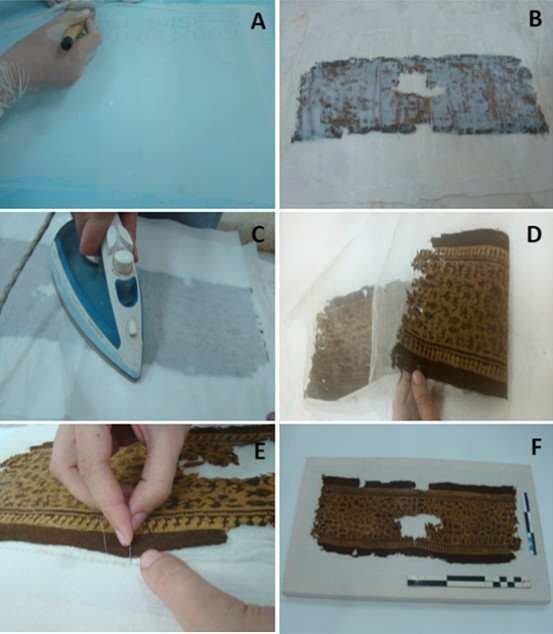
Part of preventive conservation and safe storage work for historic textiles in museum stores, including a comparative study of consolidation materials used in conservation.
Alongside his academic and conservation work, Prof. Dr. Harby El-Naggar designs and delivers training courses in human development and capacity building for a wide range of trainees.
From one of the training lectures
- Effective Presentation Skills
- Communication Skills in Different Teaching Modes
- Creative Thinking
- Human Personality Types and How to Deal with Them
- Time and Meeting Management
- Crisis Management and Problem Solving
- Motivation Skills and Policy
- Leading Teams and Effective Management
- Strategic Planning
- Creative and Effective Thinking
- Academic Achievement and Exam Planning
- Effective Negotiation
- Etiquette and the Art of Dealing with Others
- Effective Communication Skills
- Skills for Preparing Different Scientific Materials
- Creative Thinking and Habits of Highly Effective People
- Conflict Management Skills
- Emotional Intelligence and Neuro-Linguistic Programming
- Any training material can be designed, performed and delivered for any audience